
Why Childhood Myopia Needs Regular Progress Checks
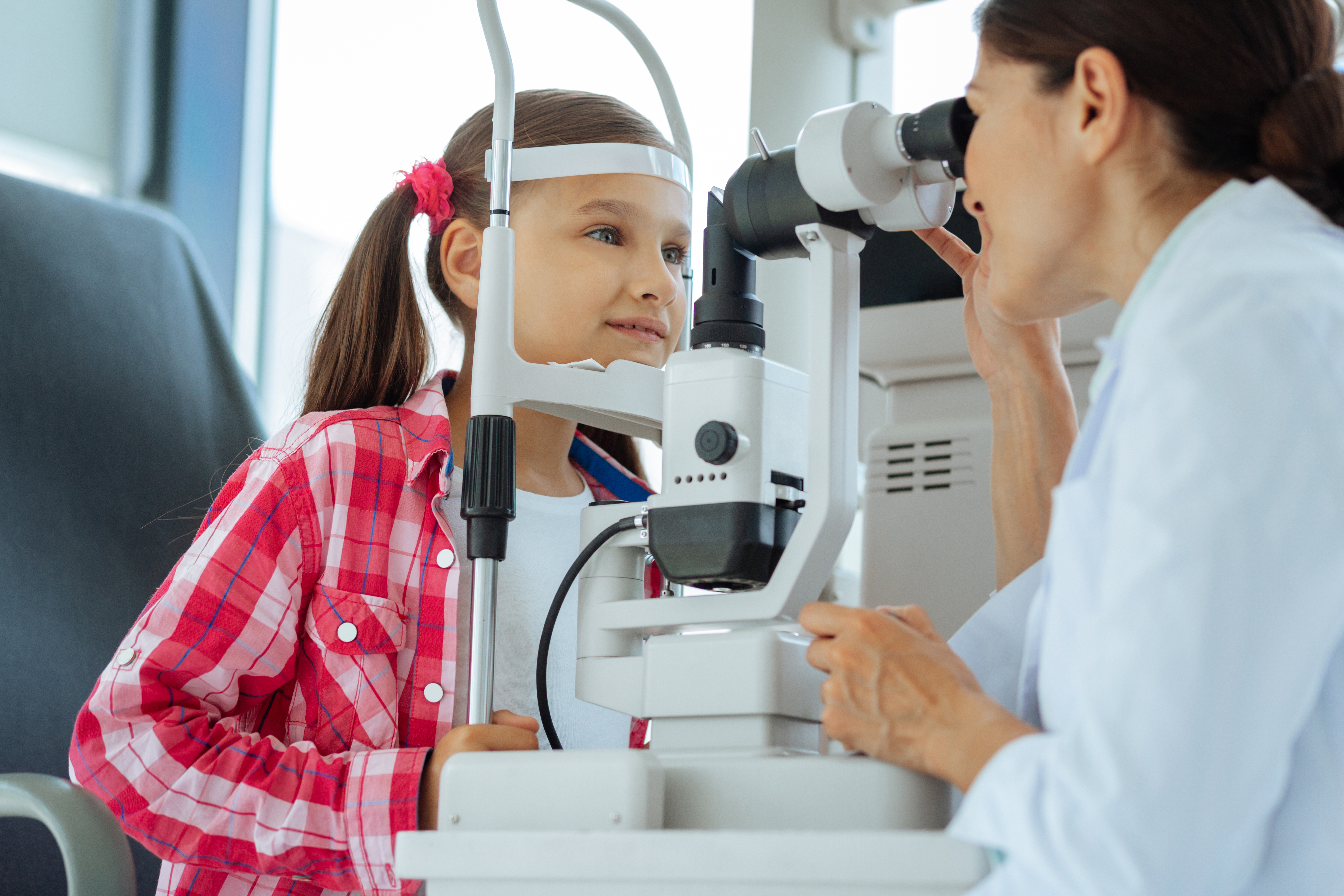
When a child becomes nearsighted, getting the right glasses prescription is important, but it is only part of managing their vision. Childhood myopia can continue progressing as the eyes grow, which means a prescription that works well today may not provide the same clarity several months from now.
At Vision Source Mesquite, we provide myopia management and comprehensive eye care for families in Mesquite, NV. Regular progress checks help us understand how quickly a child’s nearsightedness is changing and whether the current approach continues to meet their needs.
Why Myopia Can Change During Childhood
Myopia, or nearsightedness, causes distant objects to appear blurry. It commonly develops during the school years and can continue progressing as children and teenagers grow.
Parents may first notice their child squinting at the classroom board, sitting closer to the television, or having trouble recognizing objects at a distance. After glasses are prescribed, those symptoms may improve, but the underlying myopia can still progress.
That is why simply waiting until a child complains about blurry vision is not always enough. Regular eye exams and myopia progress checks can identify changes before they significantly interfere with school or everyday activities.
What Happens During a Myopia Progress Check?
A follow-up visit allows your Mesquite optometrist to compare current findings with previous measurements. The goal is to determine whether the prescription appears stable or whether myopia is continuing to increase.
Depending on the child and treatment plan, a progress visit may involve checking visual acuity, measuring the prescription, evaluating eye health, and reviewing how the child is doing with any prescribed myopia management strategy.
Parents should also be prepared to discuss:
New squinting or difficulty seeing distant objects
Changes in classroom or sports vision
How consistently prescribed treatment is being followed
Problems with glasses or contact lens comfort
Redness, irritation, or other new eye symptoms
Changes in reading, homework, or screen habits
How much time the child regularly spends outdoors
These everyday observations can provide useful context alongside the clinical measurements.
Why Slowing Progression Matters
Standard glasses correct blurry distance vision but generally do not slow the progression of childhood myopia on their own. Myopia management focuses on reducing the rate at which nearsightedness increases.
Higher levels of myopia are associated with an increased lifetime risk of certain eye conditions, including retinal detachment, glaucoma, and myopic macular disease. Myopia management cannot guarantee that progression will stop, but slowing eye growth can help reduce how nearsighted a child ultimately becomes.
Your Mesquite eye doctor can explain whether myopia management is appropriate based on your child’s age, prescription history, eye health, and individual risk factors.
Follow-Up Helps Evaluate the Current Plan
Myopia management is not a one-time treatment. A strategy that works well for one child may need to be adjusted for another, which is why follow-up appointments remain important.
Progress checks can show whether the prescription is changing more slowly, whether the child is tolerating treatment well, and whether any modifications should be discussed. If contact lenses are part of the plan, follow-up also provides an opportunity to evaluate fit, comfort, vision, and eye health.
Parents should contact the office sooner if a child develops significant eye pain, pronounced redness, light sensitivity, or sudden changes in vision rather than waiting for the next routine appointment.
Support Healthy Vision Between Visits
Regular outdoor time is associated with a lower risk of developing myopia and remains a healthy habit for school-age children. Breaks during prolonged reading, homework, gaming, and other close work can also support visual comfort.
These habits do not replace prescribed myopia treatment, but they can complement an individualized eye care plan.
If your child’s nearsightedness is changing or you are due for a myopia progress check in Mesquite, schedule an appointment with Vision Source Mesquite at 61 N Willow St., #2, Mesquite, NV 89027 by calling (702) 346-3031.
Helpful Articles

All Eye Care Services
Find personalized eye care excellence with our comprehensive services. From eye exams to advanced diagnostics, trust us for all your vision needs.

Keep In Touch
For non-urgent questions or to learn more about our services, contact us today!
© 2026 Vision Source Mesquite. All rights Reserved - Accessibility Statement - Privacy Policy - Sitemap
Managed and Designed by 